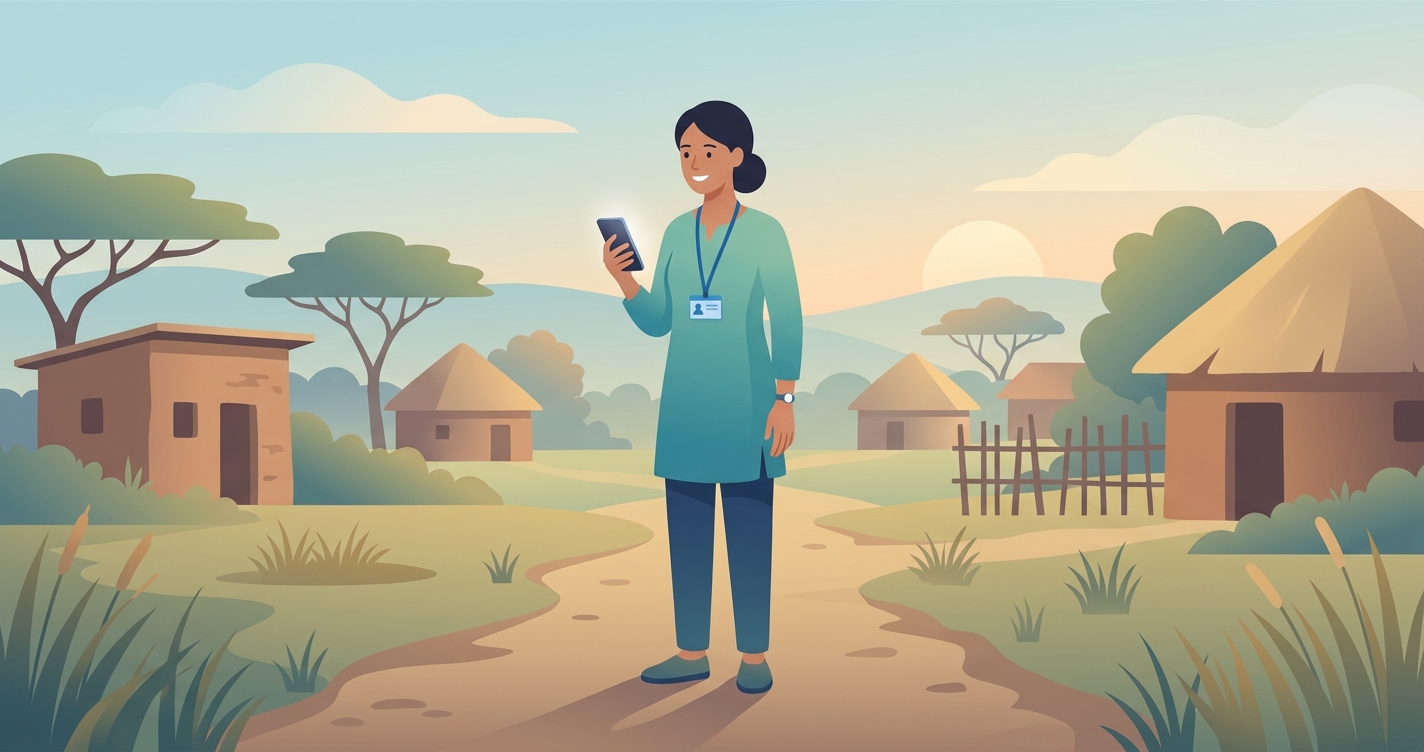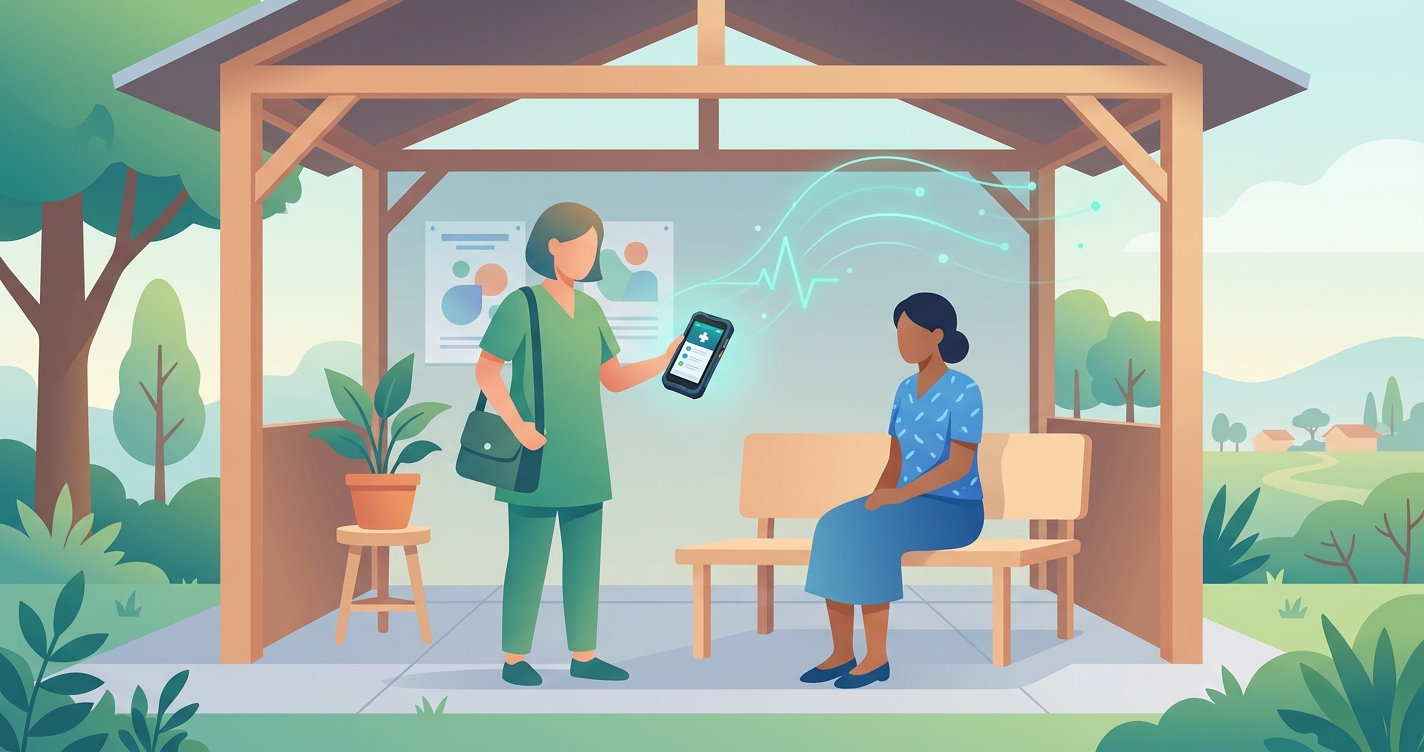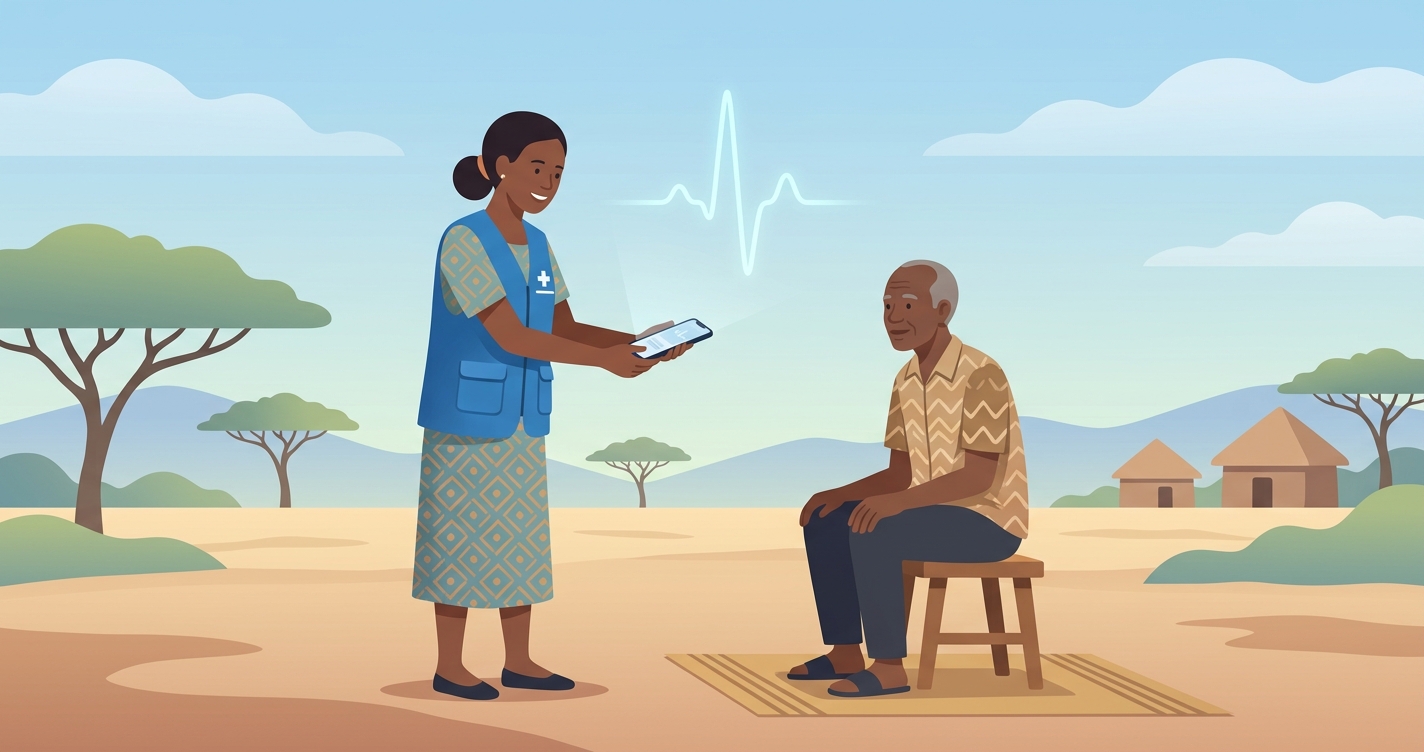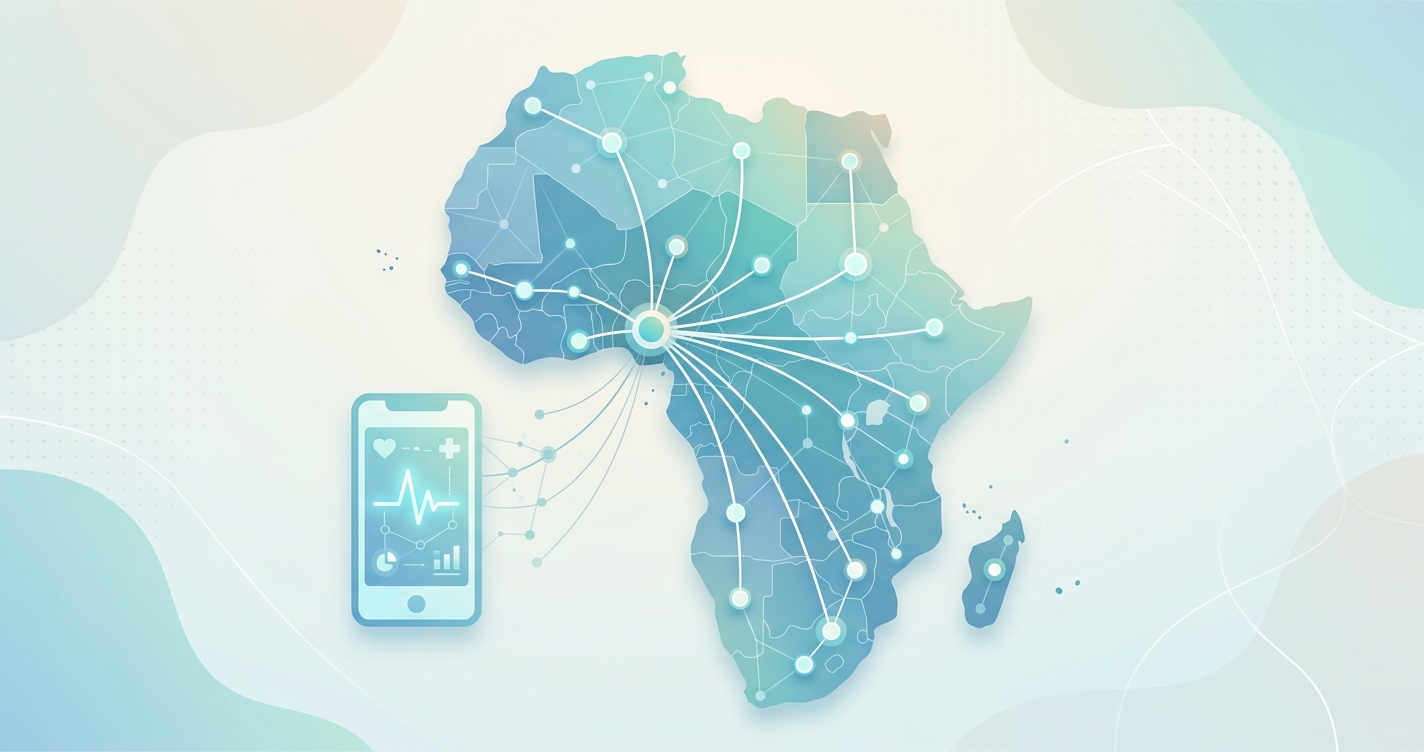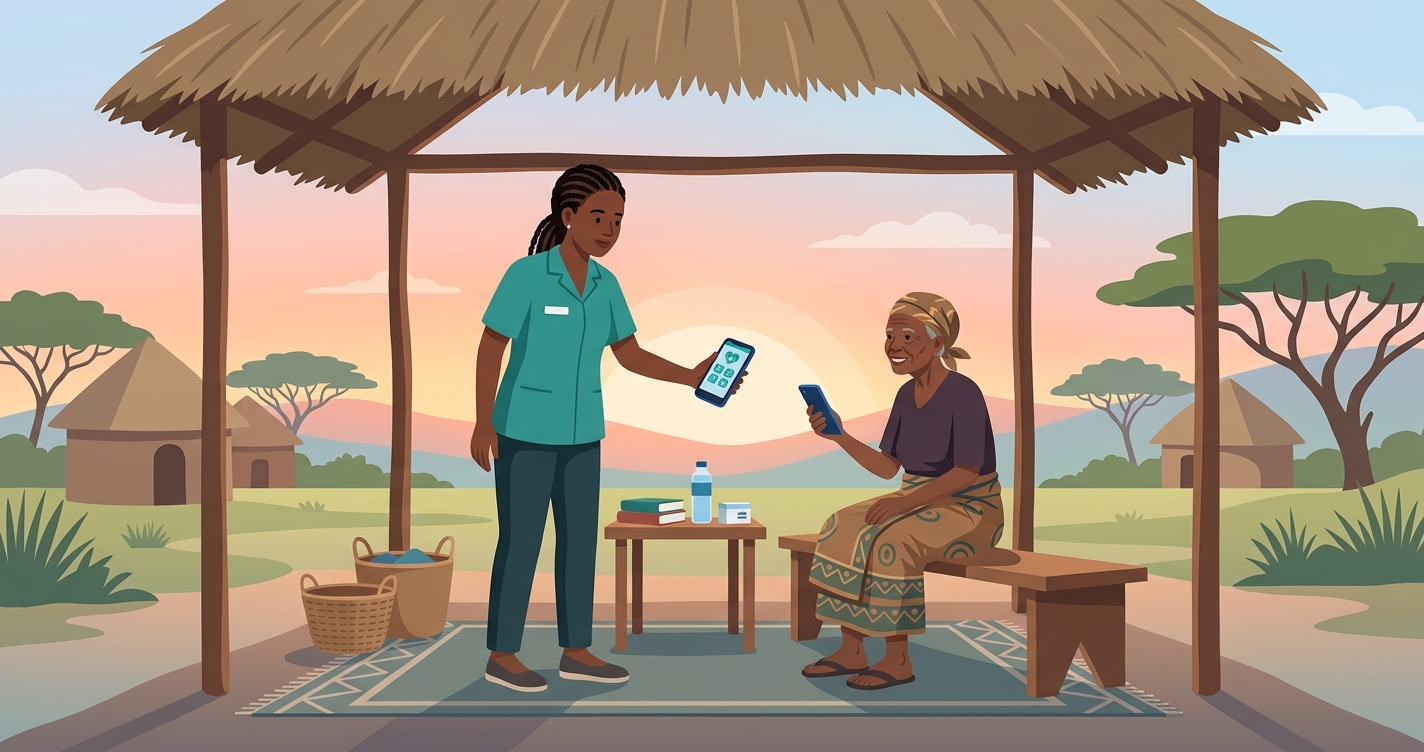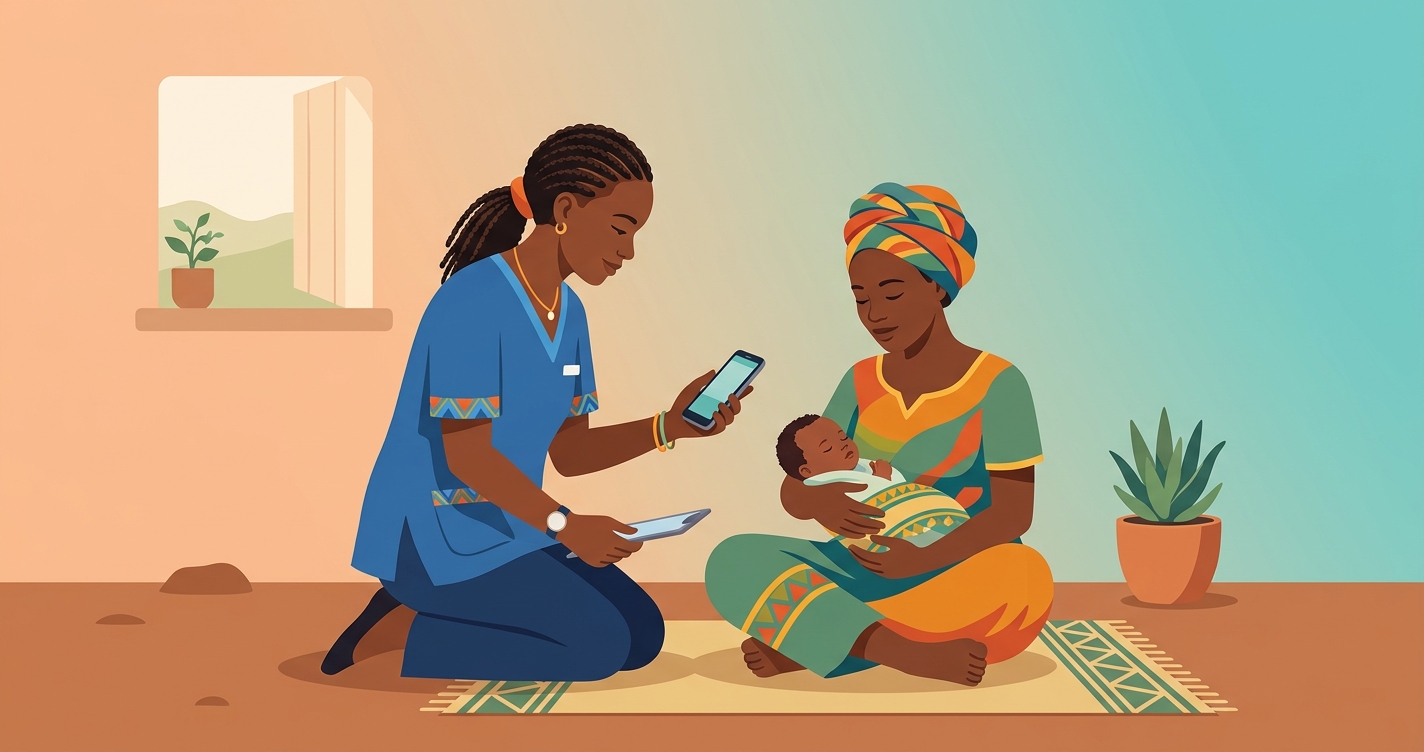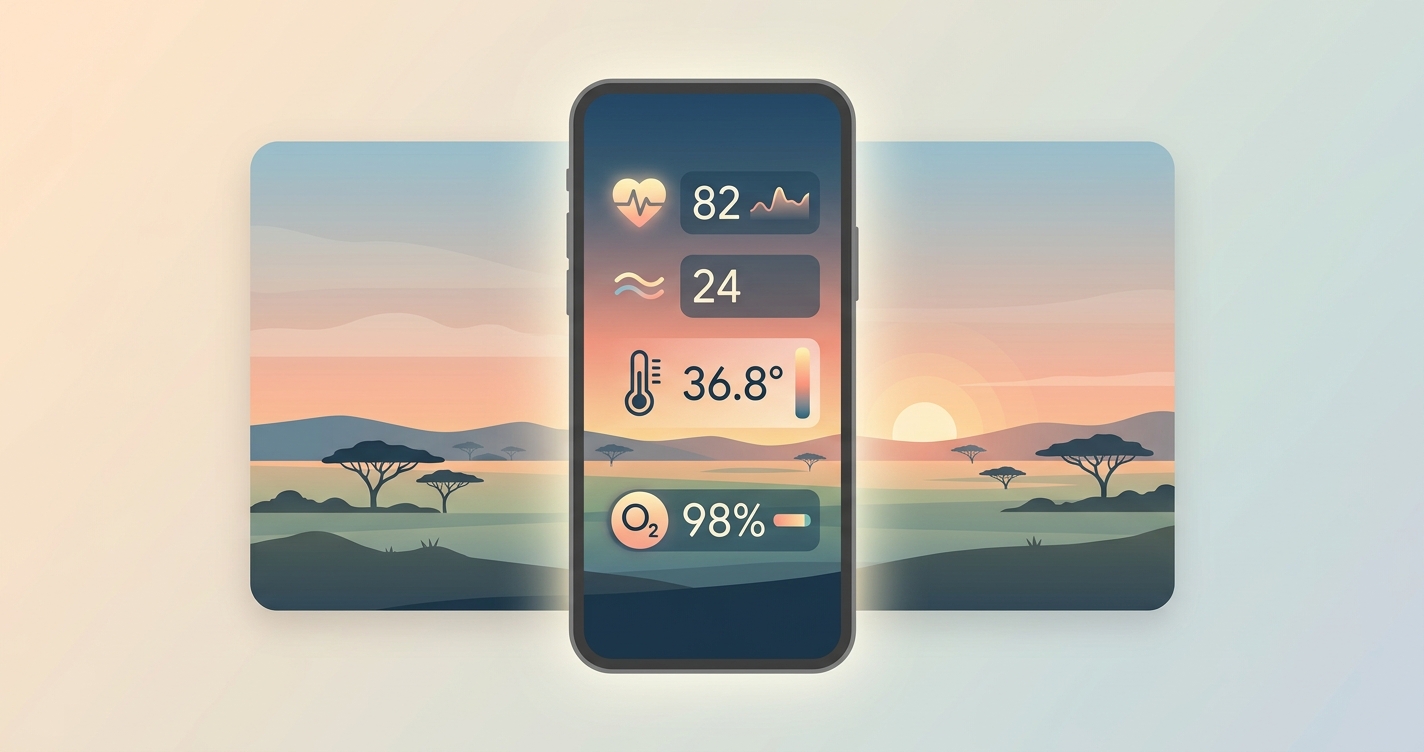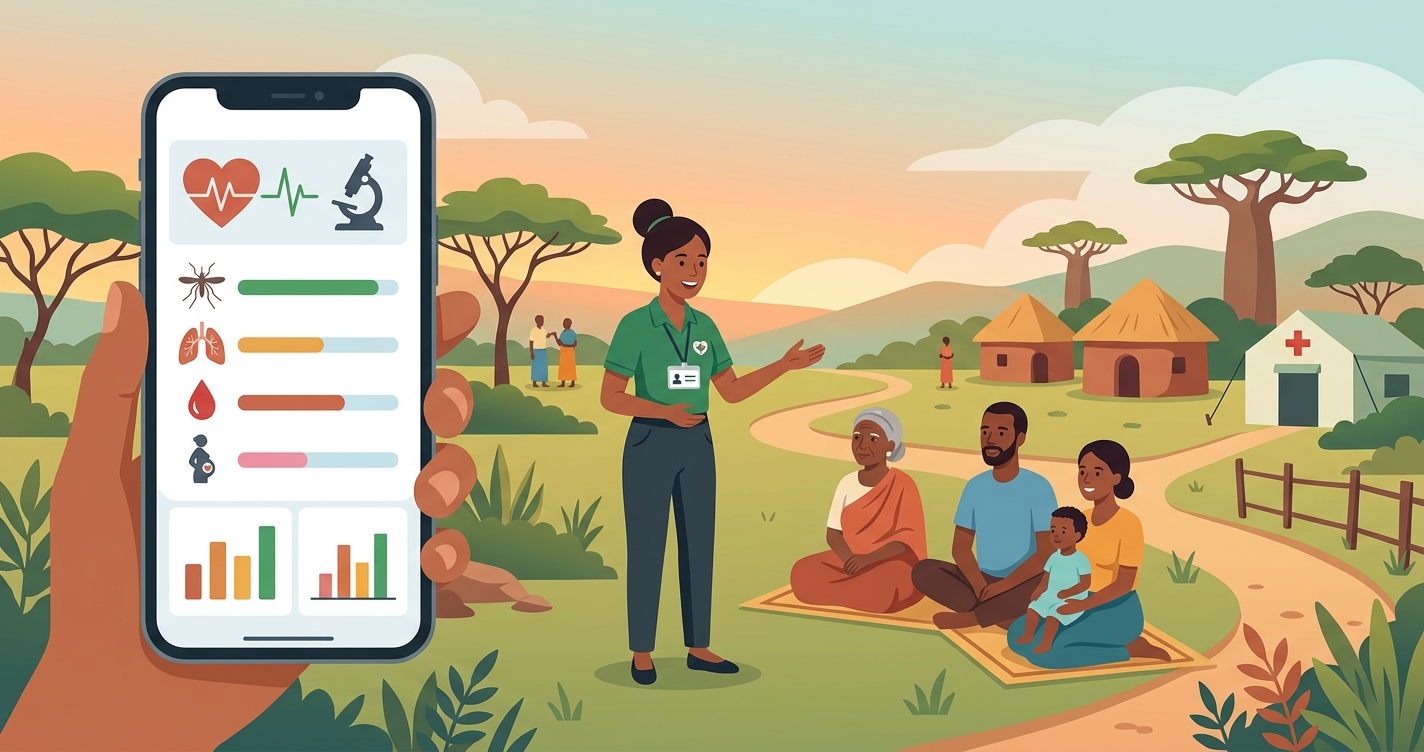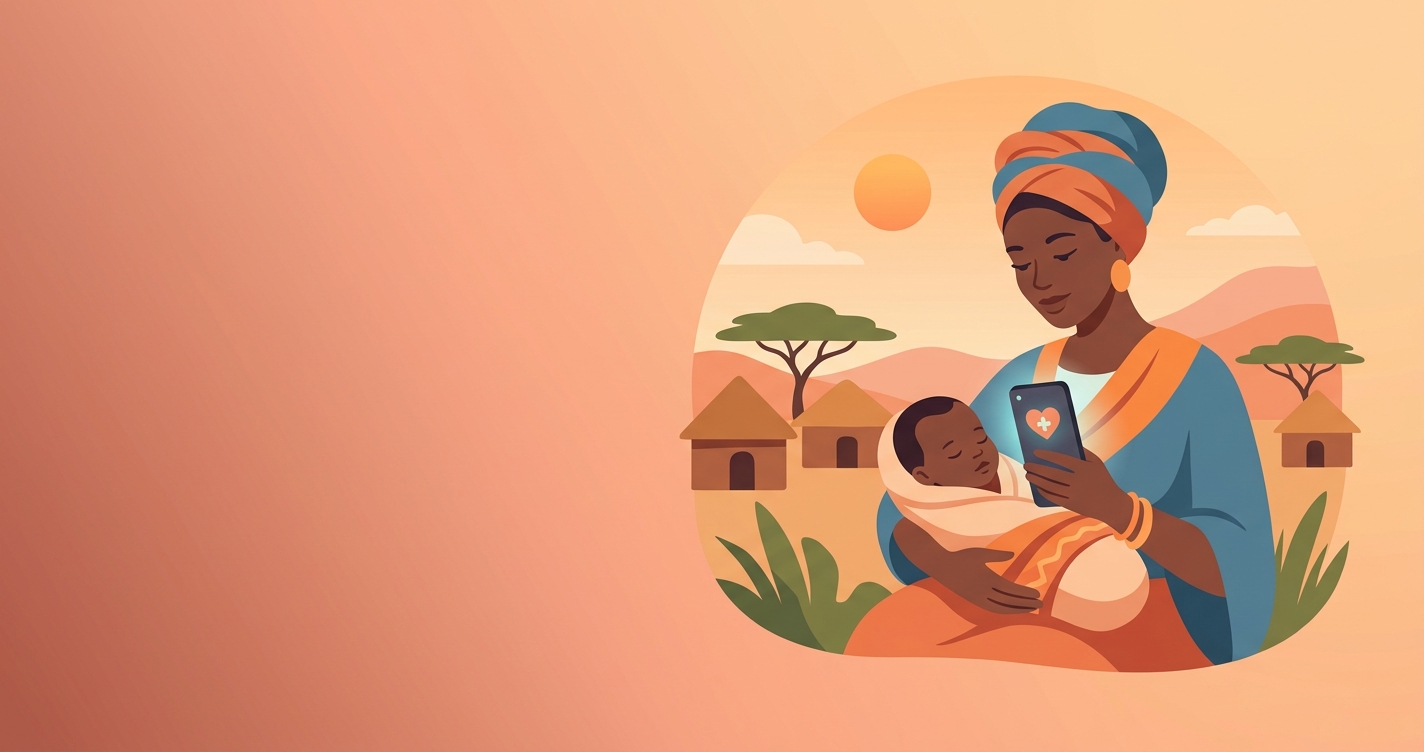
Signs of Malaria a Community Health Worker Can Spot Fast
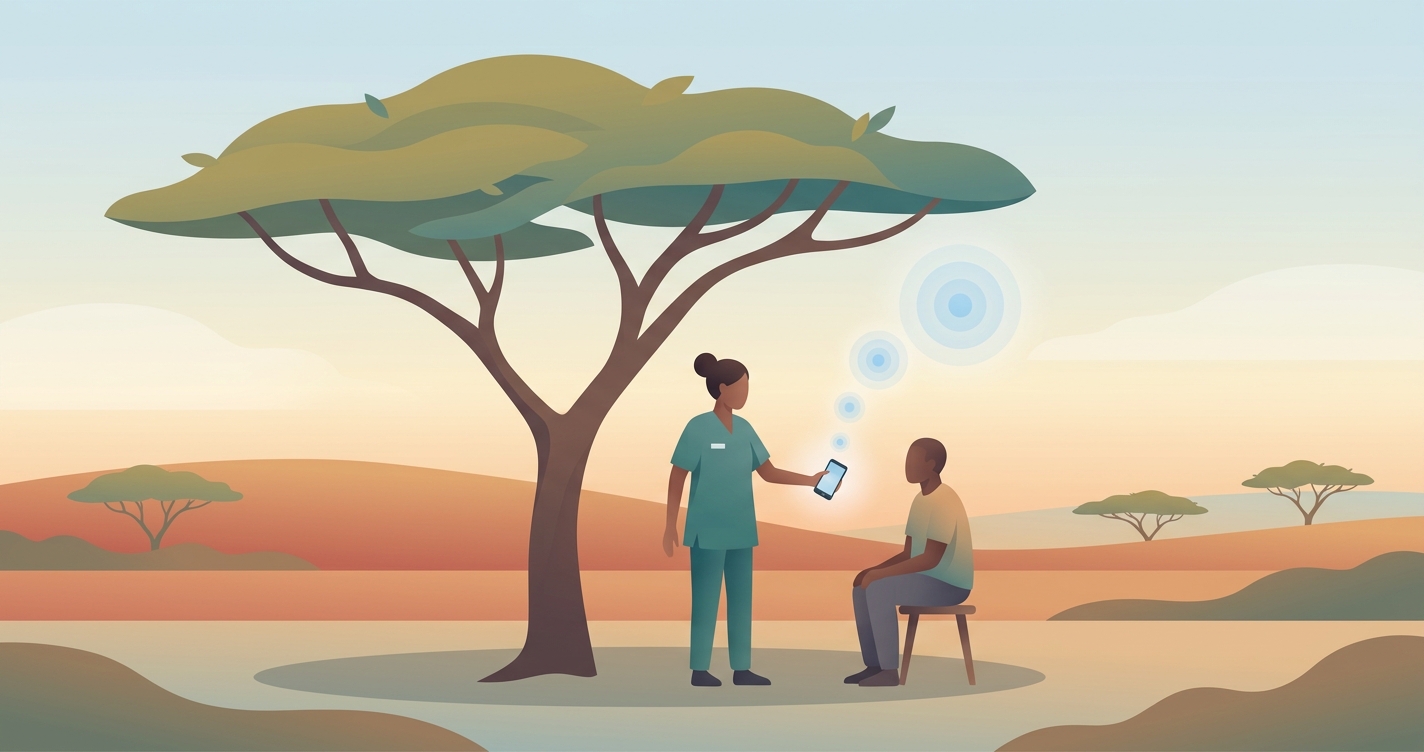
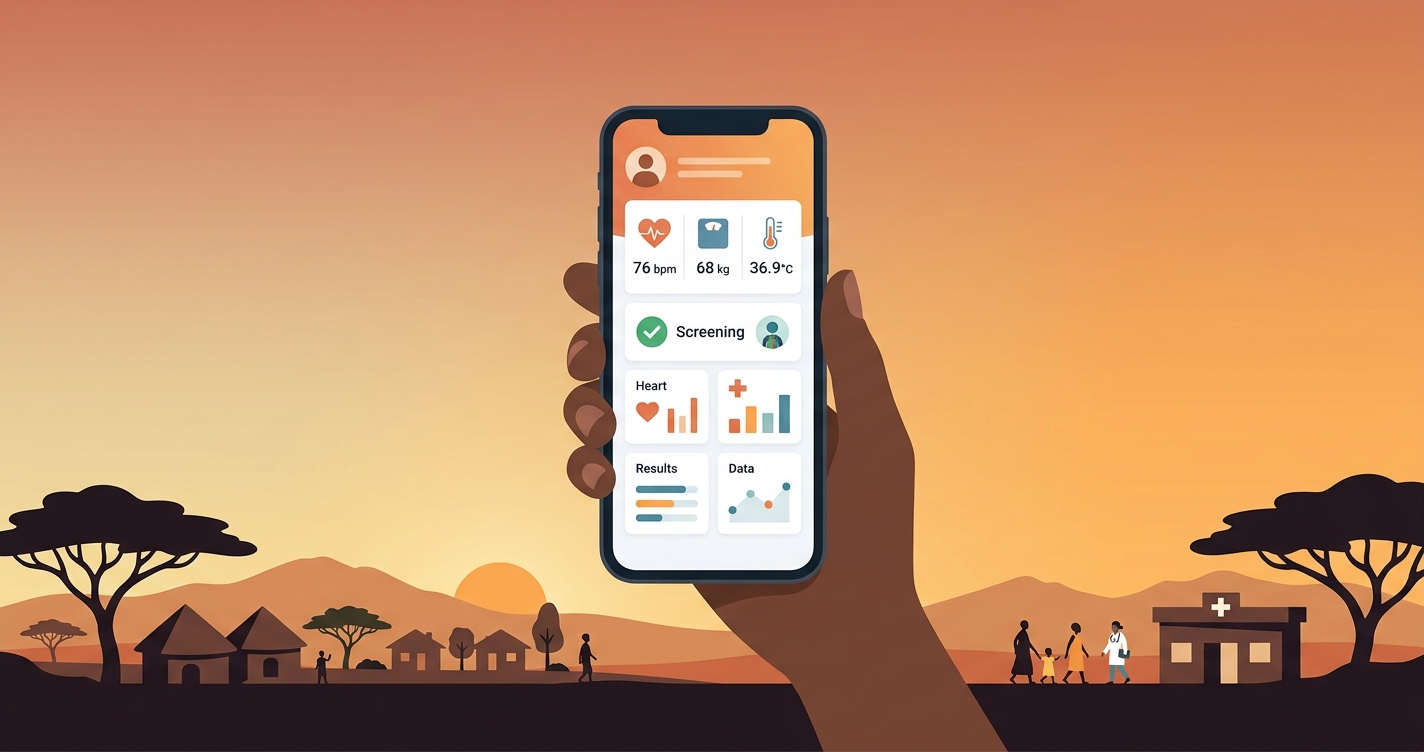
Discover how community health workers screen for early malaria symptoms and use smartphone vital sign tracking to prioritize fevers in Sub-Saharan Africa.
Insights on health technology, vitals monitoring, and wellness from the CareHealthScan team.

Discover how community health workers screen for early malaria symptoms and use smartphone vital sign tracking to prioritize fevers in Sub-Saharan Africa.

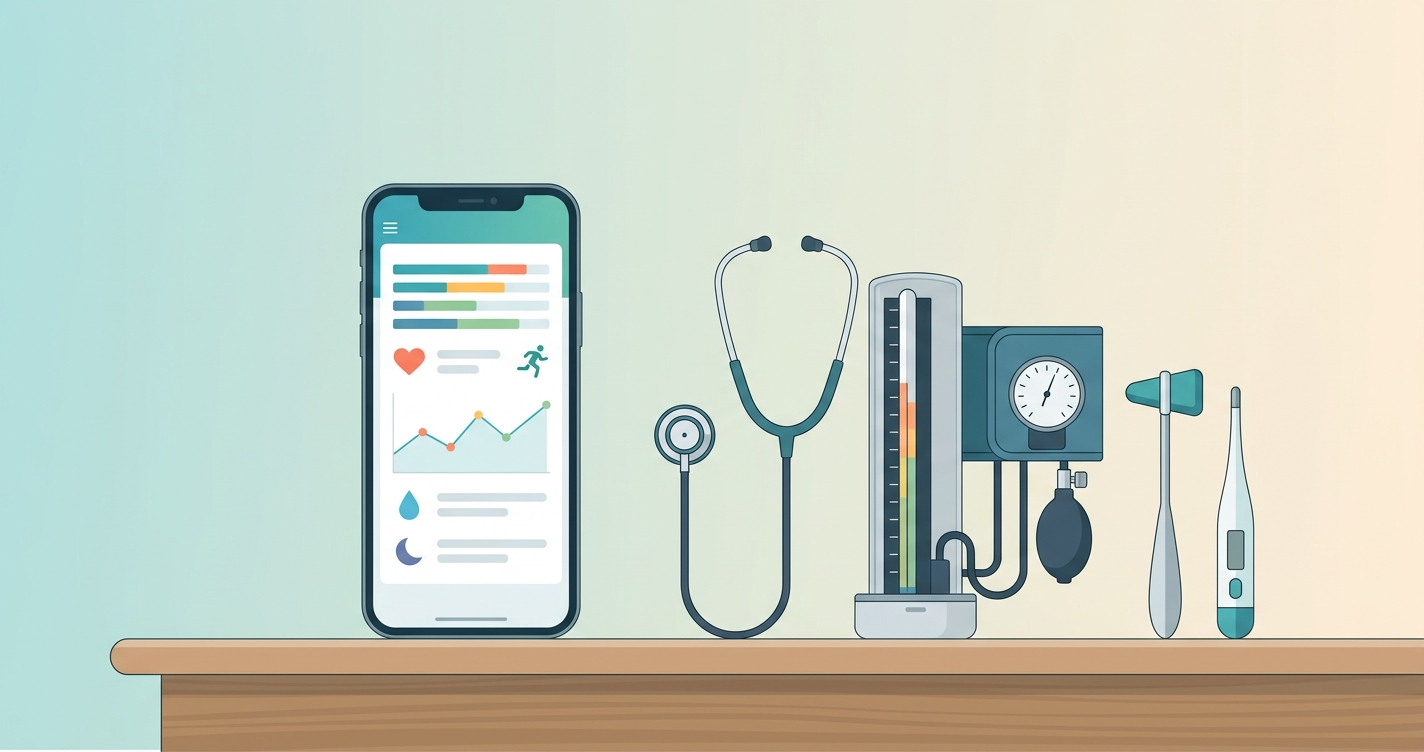
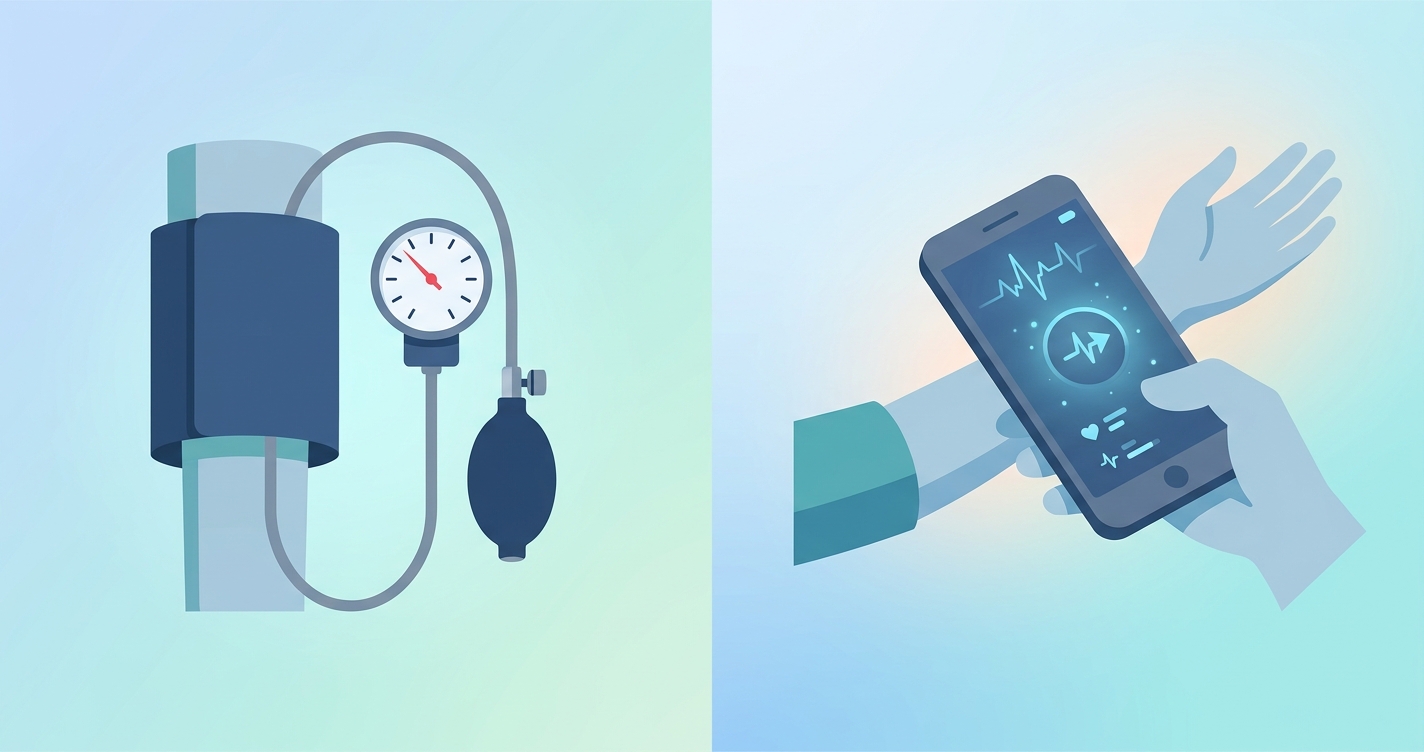
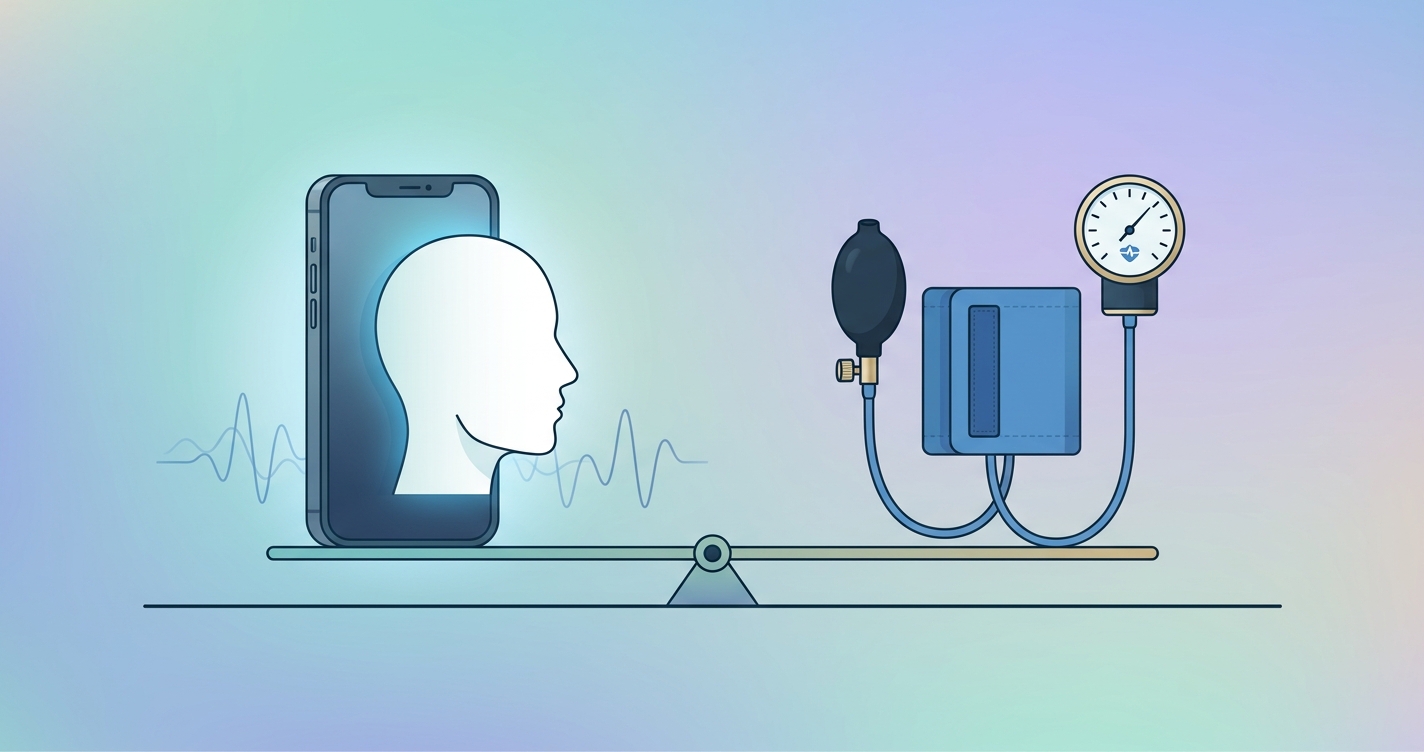
Comparing traditional cuffs against camera-based rPPG for contactless blood pressure screening across rural Sub-Saharan Africa's community health clinics.

Explore how smartphone-based community health screening in Sub-Saharan Africa aids early detection, cuts child mortality, and replaces imported hardware.

How contactless vitals and smartphone cameras are enabling multi-disease screening in rural healthcare clinics across Sub-Saharan Africa without medical equipment.

Learn how smartphone-based health screening protects patient data and meets privacy rules, helping African ministries scale secure digital health rollouts.

Discover how teachers and health workers use smartphone health screening in African schools to non-invasively detect anemia, malnutrition, and infections.

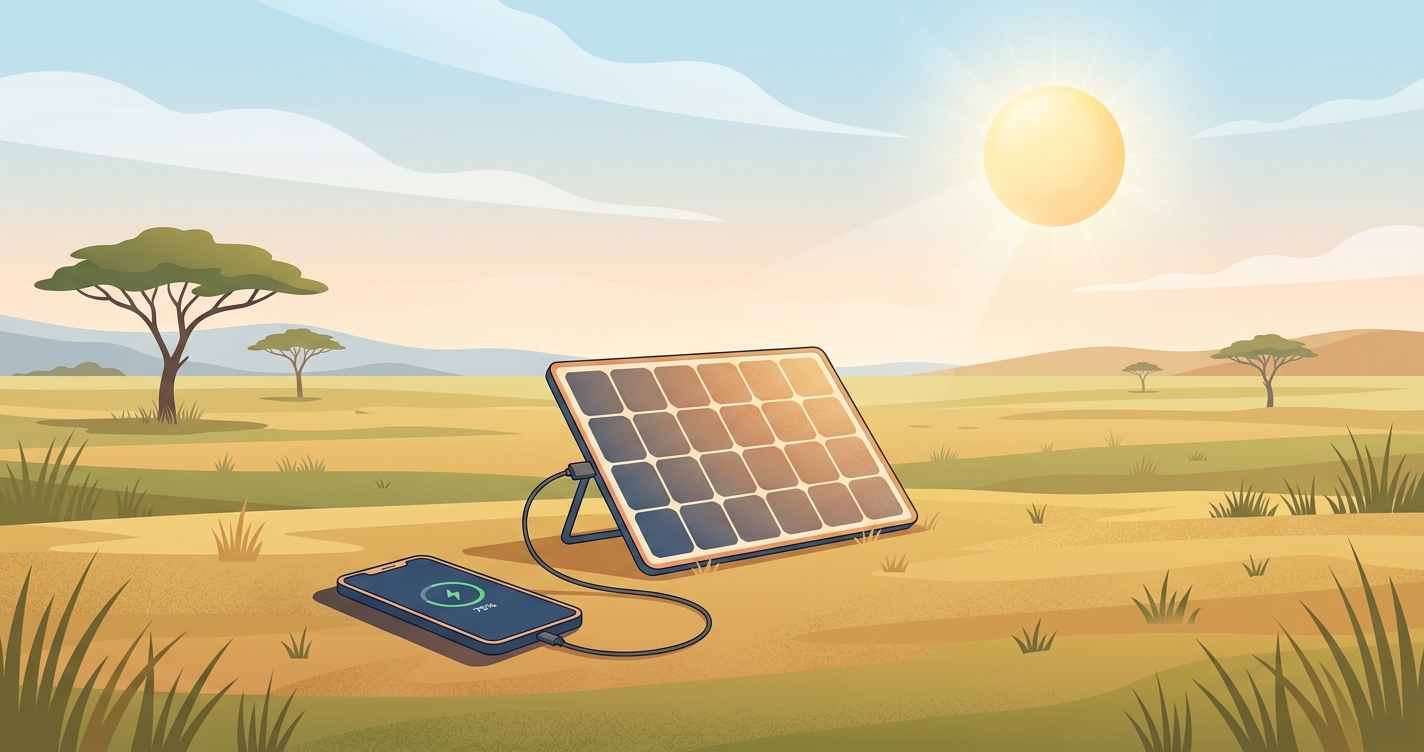
How solar-charged smartphones enable continuous vital-sign screening in off-grid African villages, eliminating the data-power paradox for community health.

How phone-based community programs flag diabetes risk early in Sub-Saharan Africa where lab access is scarce, and what it means for the rising NCD burden.

A donor-focused analysis of mobile health screening return on investment: lives reached, costs avoided, and cost per patient versus traditional outreach in Africa.

How early TB warning signs and phone-based vital checks help frontline workers triage suspected cases before they spread across rural Africa.

What can a phone camera screen for in community health programs? Seven conditions, from anemia to fast breathing, that a smartphone scan can flag in seconds.

A 2026 procurement guide ranking affordable, durable phones that run camera-based vital checks reliably in low-resource Sub-Saharan African clinics.

A comparison of connected-doctor telemedicine and offline phone-based screening for last-mile coverage in rural Sub-Saharan Africa.

How communities far from clinics can detect high blood pressure early using a smartphone instead of a cuff, addressing Africa's silent hypertension burden.

A field operations guide to high-volume mobile health screening: how one device per worker lets NGOs run mass screening campaigns without lab tests.

A breakdown of per-patient screening costs and ROI versus traditional methods to guide donor budgeting and finance planning across Sub-Saharan Africa.

How camera-based anemia screening in Africa flags early nutrition warning signs in children and mothers, and what NGOs should know before piloting it.

How offline health screening in rural areas works without signal or power, syncing data later, and what ministry and NGO planners should assess before deployment.

A step-by-step brief on taking an mHealth screening pilot to national scale across Sub-Saharan Africa, covering logistics, funding, and workforce planning.

A results-driven review of Uganda health screening technology, with measurable mHealth outcomes, program data, and a funding case for donors and health ministries.
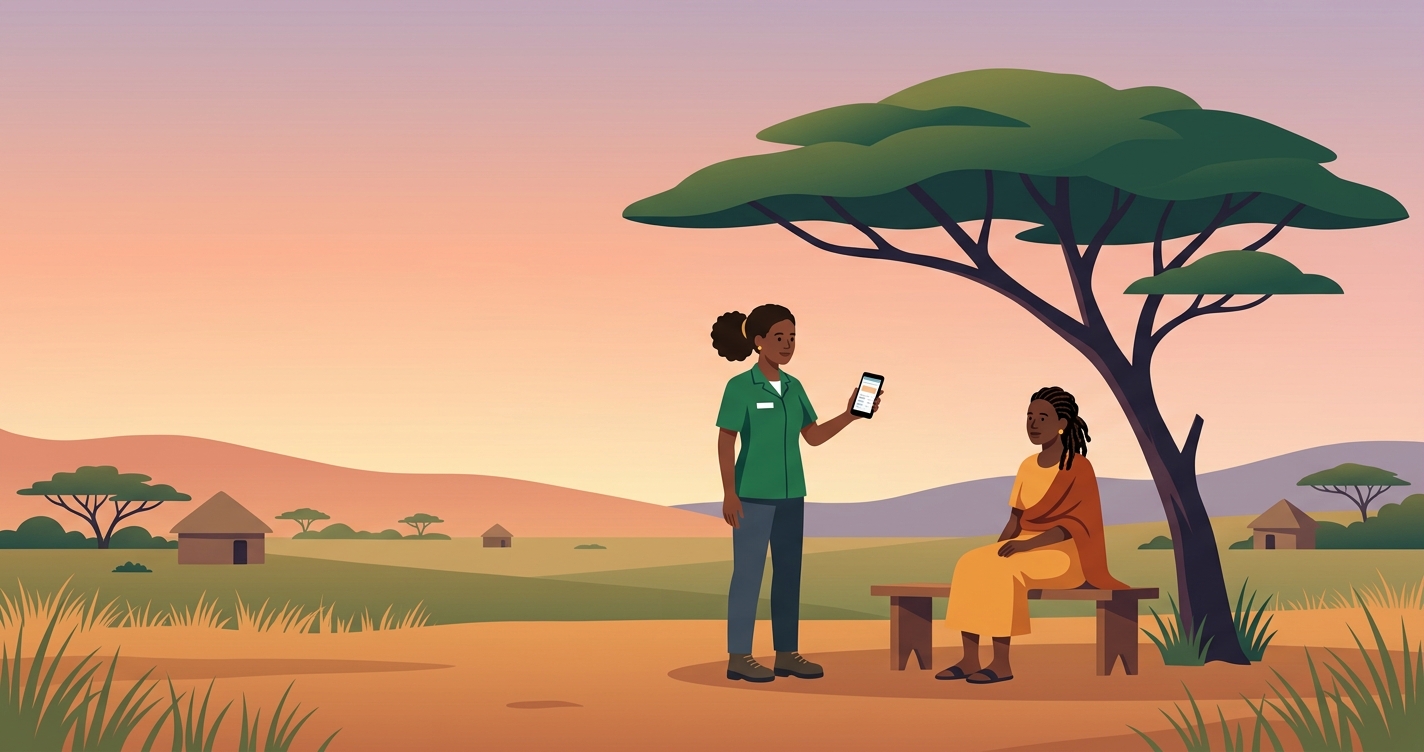
A procurement-focused comparison of contactless vitals rural healthcare options for clinics without cuffs, oximeters, or reliable power across Sub-Saharan Africa.

A head-to-head look at smartphone health screening vs medical devices on speed, cost, and maintenance for African community health programs.

How mobile health technology in developing countries closes gaps in low-resource health systems, from maternal care to screening rural clinics cannot reach.
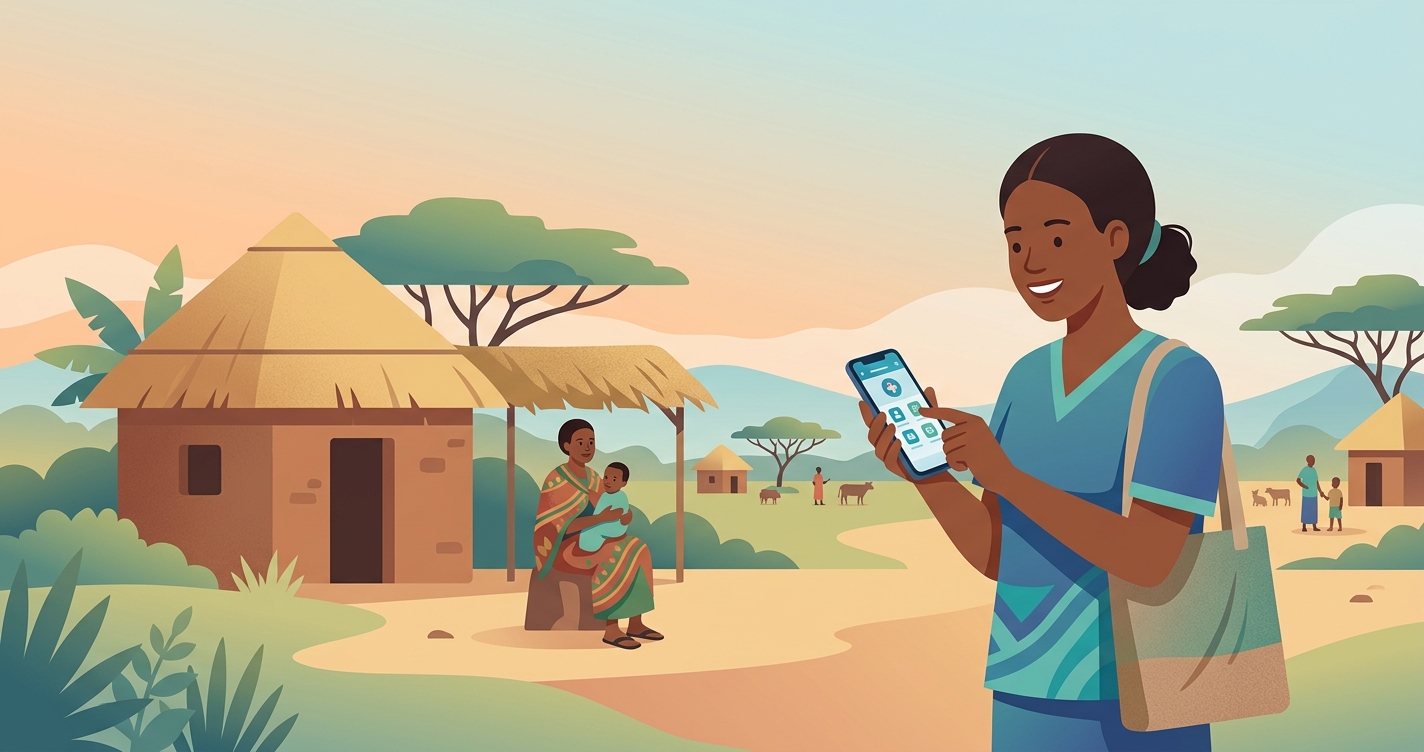
A field guide to triaging a fast heartbeat with no clinic in Africa, using accessible smartphone tools to turn anxiety into actionable screening data.

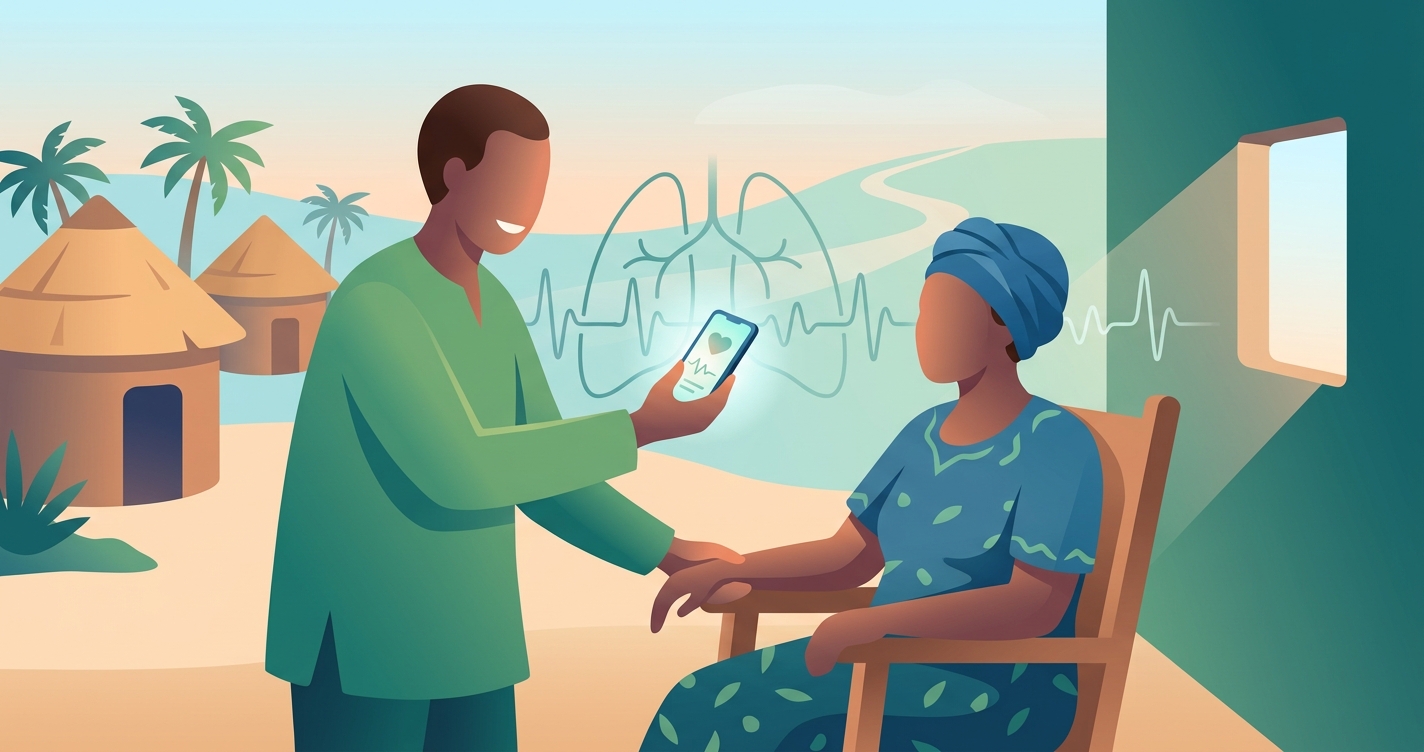
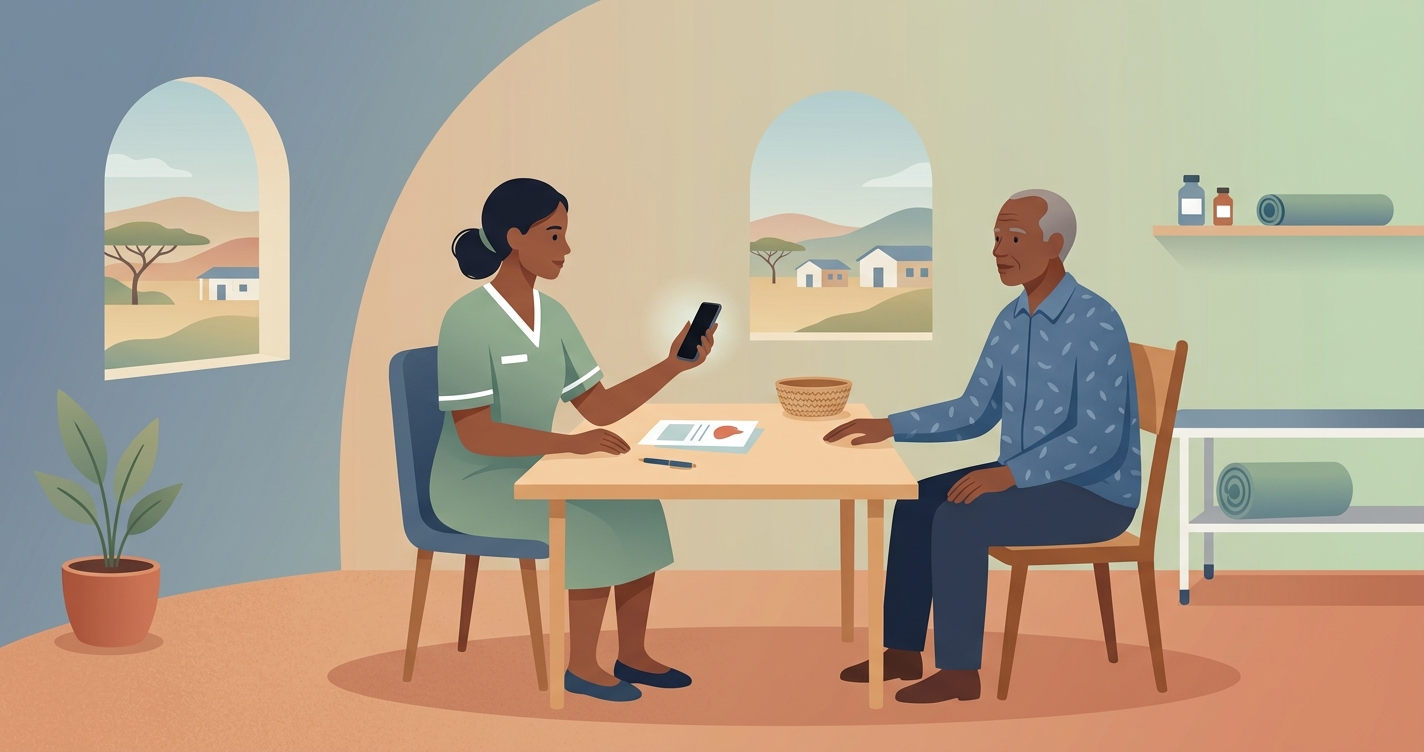
How contactless smartphone technology helps families and health programs detect a grandparent breathing change in a village when no clinic is nearby.

A 2026 field guide to community health screening Africa: models, staffing, outcomes, and best practices for NGO and ministry program leads across Sub-Saharan Africa.

A family health check at home is becoming possible in rural Africa through community-led, smartphone-based screening that removes the need for long-distance travel.

How community health scans in Africa use smartphone vital sign screening to reach people before a crisis, with research on mHealth and rPPG in rural settings.

Persistent fatigue in physically demanding settings can mask anemia, hypertension, or infection. How basic screening flags fatigue serious health Africa risks.

How a sudden dizziness phone check in Africa can give early insight into blood pressure, anemia, and dehydration through smartphone vital-sign screening.

How non-invasive overnight checks can reassure parents or flag serious infant breathing difficulty in Africa, and what this means for maternal and child health programs.

Why an elderly cough can turn serious fast in Africa, and how contactless screening helps NGOs and health ministries catch warning signs earlier.

For health programs in Africa, distinguishing a simple childhood fever from a life-threatening illness is a critical challenge. This report examines the role of mobile health technology in early detection and triage.

How remote village health checks in Africa work without a clinician on site, and why mHealth and smartphone screening are reshaping rural outreach.

A research-style report on the emergency signs of child diarrhea and dehydration in Africa and the role of mobile health in early detection.

For adults in rural areas far from a clinic, learn how contactless phone screening makes it possible to check for high blood pressure without equipment.

A guide for community health programs in Sub-Saharan Africa on identifying newborn fast breathing, a key danger sign of pneumonia, and how mobile health technology can aid in screening.

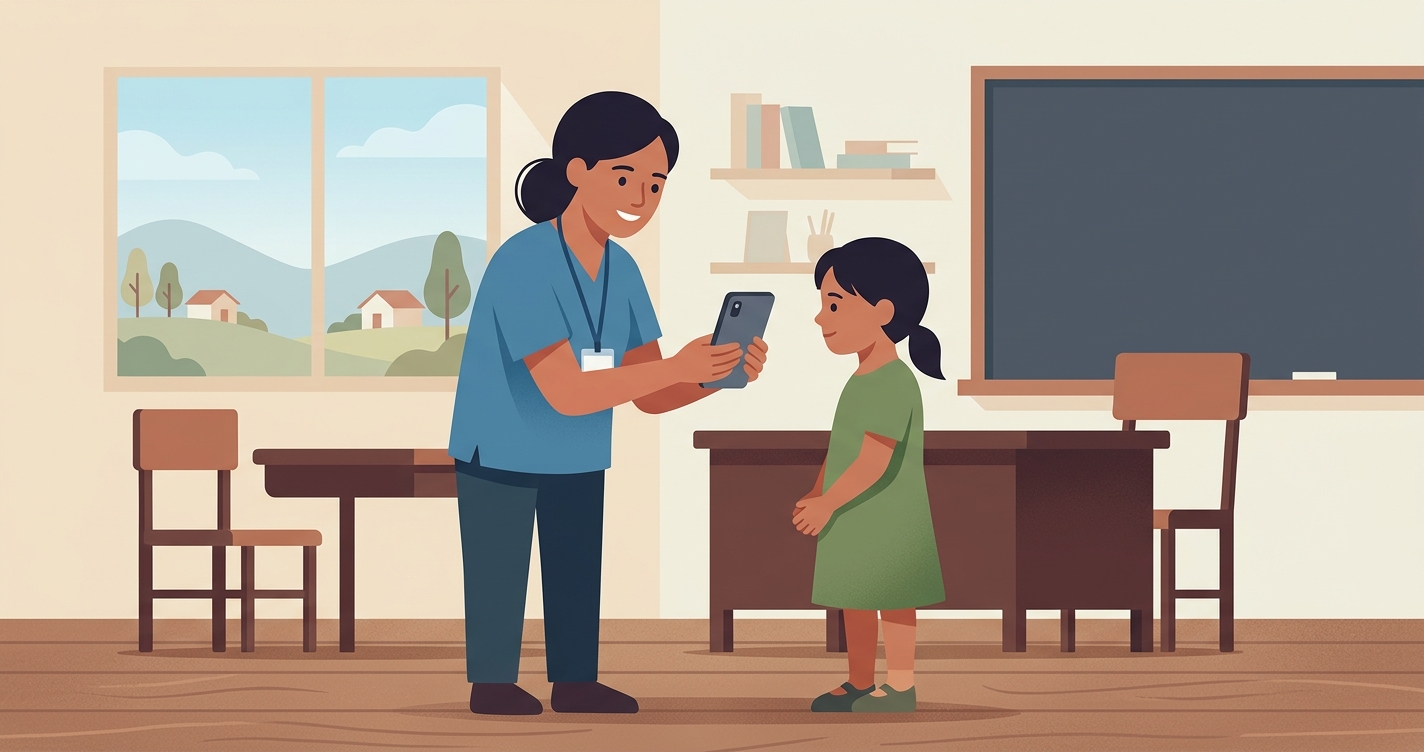
A review of how smartphone-based screening can help community health workers in rural clinics triage sick children and determine when immediate care is necessary.

Donors face a choice: fund physical clinics or scalable mobile health technology? This analysis compares the costs, reach, and health outcomes of each approach in Sub-Saharan Africa.

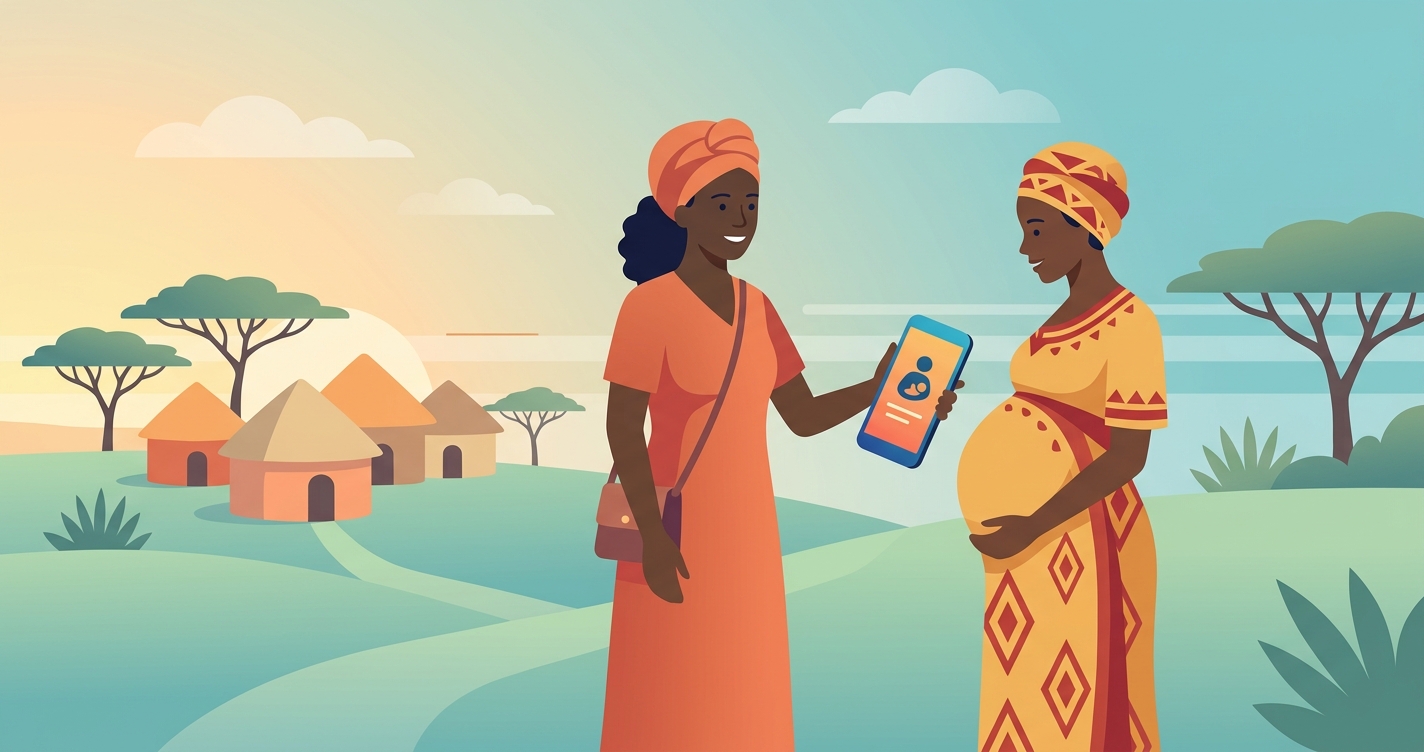
Learn the key pregnancy warning signs that mean a pregnant woman in Africa must reach a clinic, and how mobile health technology can bridge the gap.

For mothers in rural Africa, a child's fever can be a life-or-death question. Learn the child fever danger signs and how mobile health technology helps community health workers triage.

Analysis of the gap between community health worker (CHW) findings and formal clinic data in Uganda, revealing key insights into public health challenges.

Analyzing the role of smartphone-based contactless vital signs monitoring in healthcare settings with unreliable power, focusing on Sub-Saharan Africa.

Globally, distance remains a primary barrier to healthcare. We analyze the global health gap caused by the distance to clinics and explore how mobile health technology is changing the landscape.

African health ministries are increasingly choosing smartphones for healthcare delivery over traditional imported medical devices due to cost, maintenance, and infrastructure challenges.

Exploring the data on whether a smartphone can replace a stethoscope in rural African clinics. Analysis of AI, digital stethoscopes, and their impact on community health.

A research-style analysis of how smartphones are being used as medical diagnostic and screening tools in Sub-Saharan Africa, citing studies and industry trends.

Discover how aid organizations are using contactless, smartphone-based technologies to conduct mass health screenings in resource-limited settings without traditional medical equipment.

A single community health worker serving 10,000 people creates immense strain, leading to burnout and reduced quality of care. We analyze the impact of high community health worker catchment sizes.

Uganda village vitals no equipment screening is moving from paper triage to smartphone-based checks that work in rural communities without extra devices.

An analysis of the five major barriers to deploying smartphone health screening in Francophone Africa, from language gaps to regulatory fragmentation across French-speaking countries.

An analysis of how health ministries in developing countries procure digital screening technology at scale, covering procurement frameworks, pooled mechanisms, and implementation realities.

An analysis of the five major barriers to deploying smartphone-based health screening in Francophone Africa, from connectivity gaps to language localization.

How UNICEF country offices pilot mobile health technology for nutrition programs, from RapidPro data collection to smartphone-based MUAC screening across Africa.

Analysis of how contactless vital signs screening can be integrated into national immunization campaigns across Africa, improving health data capture during routine vaccination touchpoints.

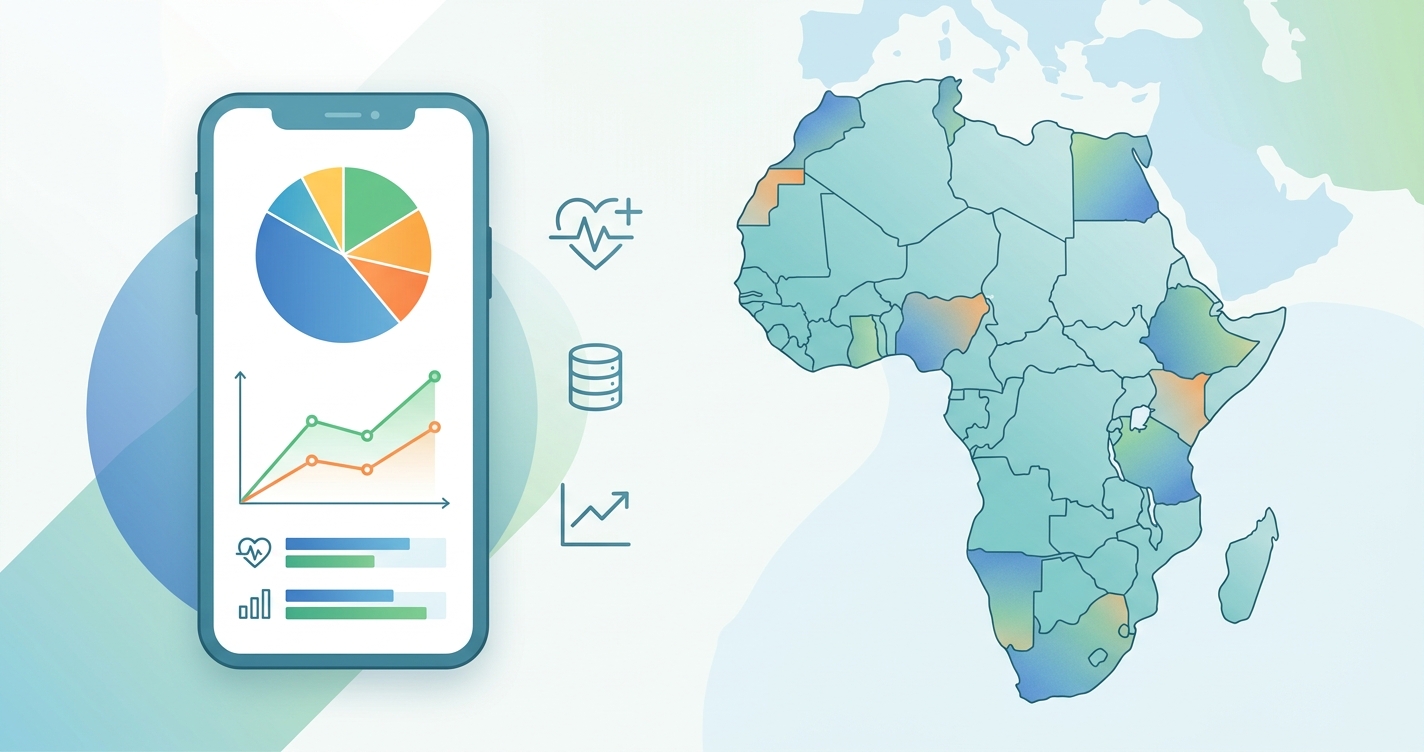
An analysis of mHealth adoption trends and policy shifts across Sub-Saharan Africa in 2026, covering mobile infrastructure, national digital health strategies, and screening deployments.

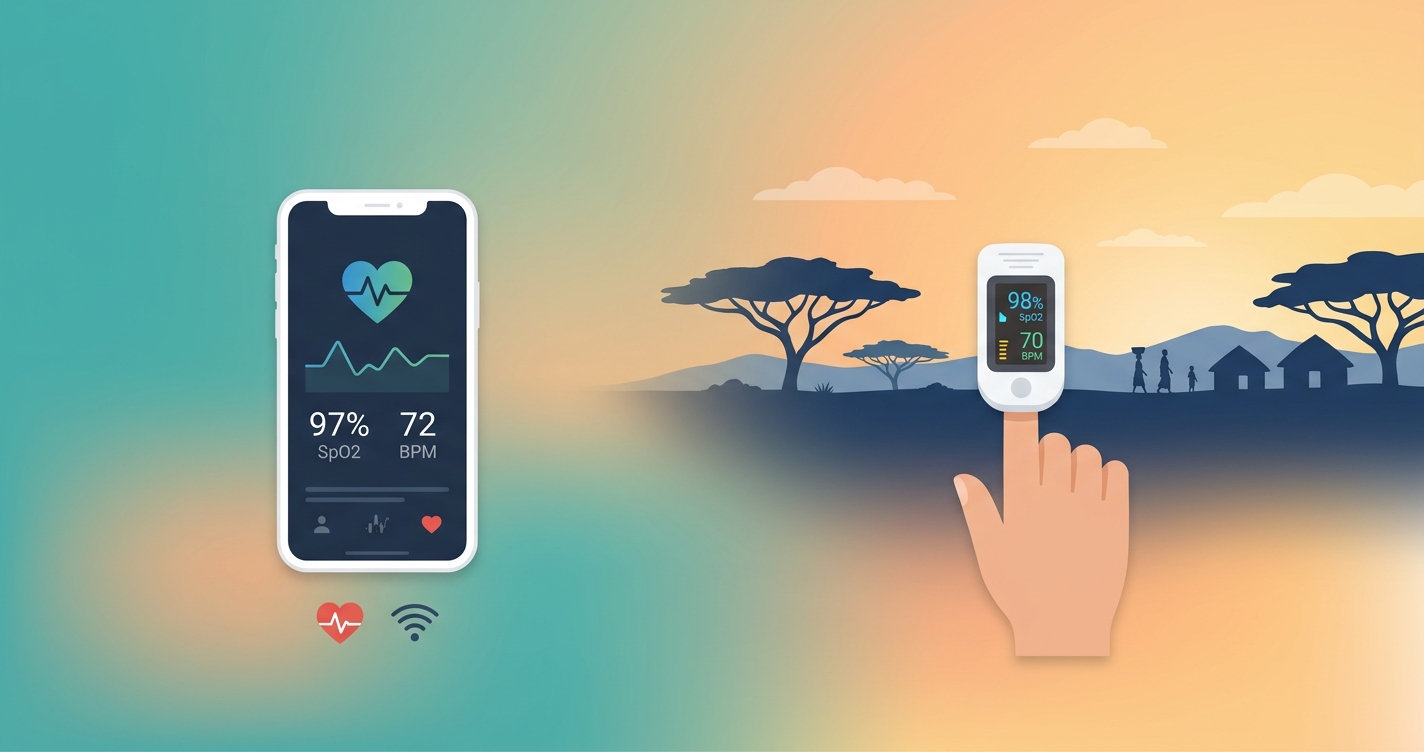
Comparing smartphone screening and pulse oximetry for vital signs measurement in low-resource settings, covering accuracy data, cost analysis, and field deployment realities.

How remote photoplethysmography (rPPG) works and why it matters for global health screening in low-resource settings across Sub-Saharan Africa and beyond.

How WHO program managers evaluate mobile health screening programs using seven metrics from coverage and cost-effectiveness to data quality and clinical outcomes.

A practical framework for designing a multi-disease screening program for rural Africa, covering disease selection, workforce planning, technology, and data systems.

Why most health tech programs in low-income countries collapse after donor funding ends, and what the ones that survive do differently.

How climate change and environmental factors reshape health screening demands across Africa, from heat-driven disease burden to the logistics of field deployment.

How contactless screening on smartphones is helping close the gap on universal health coverage, especially in regions where clinics and trained staff are scarce.

A practical guide to writing grant proposals for mobile health technology projects in low-resource settings, covering funders, budgets, and evaluation frameworks.

A practical guide to partnering with WHO, UNICEF, and PEPFAR on health technology, covering procurement pathways, funding mechanisms, and what these organizations actually look for.

A cost comparison of smartphone-based health screening versus traditional clinical screening methods in low- and middle-income countries, examining equipment, staffing, and per-screening economics.

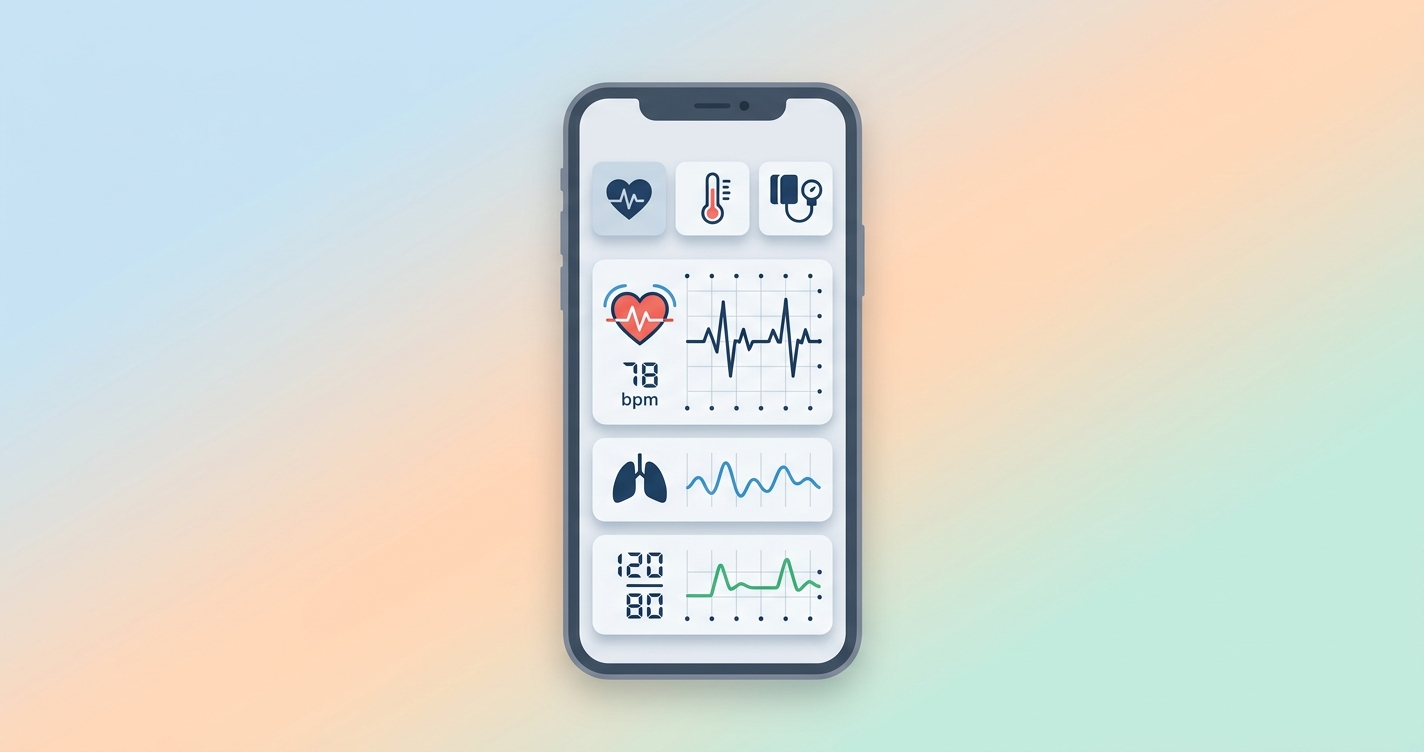
Multi-disease screening via a single smartphone scan is changing how community health programs detect hypertension, anemia, and respiratory illness in low-resource settings.

Camera-based screening for anemia and malnutrition uses smartphone cameras and AI to estimate hemoglobin and detect wasting without blood draws or equipment.

Field lessons from deploying Circadify's contactless screening technology in East Africa, covering workforce integration, connectivity gaps, and what actually works in community health programs.

An analysis of how community-level health data collected by frontline workers shapes national health policy decisions across Sub-Saharan Africa and low-income countries.

How donor-funded programs evaluate health technology impact in low-resource settings, from DALYs and cost-effectiveness to real-world measurement frameworks.

How health technology deployments reach populations with no nearby clinics, from smartphone-based screening to offline-first diagnostics used by community health workers.

Last-mile health uses mobile screening to reach remote communities lacking clinic access. How smartphone-based tools are changing primary care delivery in underserved regions.

How refugee camp health screening technology is changing disease surveillance, triage, and primary care delivery for displaced populations worldwide.

How ministries of health in developing countries move from pilot digital screening programs to national adoption, including procurement, policy, and infrastructure realities.

An analysis of how smartphone-based screening tools are helping reduce maternal mortality across Sub-Saharan Africa by detecting complications earlier through community health worker networks.

How global health programs train community health workers on contactless vitals screening using smartphones, covering curriculum design, field supervision, and competency assessment.

How smartphone-based neonatal health screening is changing newborn care across Africa, from camera-based jaundice detection to contactless vital signs monitoring in low-resource settings.

How NGOs move mobile health technology from pilot programs to nationwide deployment, examining procurement, training, data infrastructure, and sustainability models.

An in-depth analysis of how smartphone vital signs technology works in Sub-Saharan Africa, covering the science of remote photoplethysmography, field deployment considerations, and implications for global health screening programs.

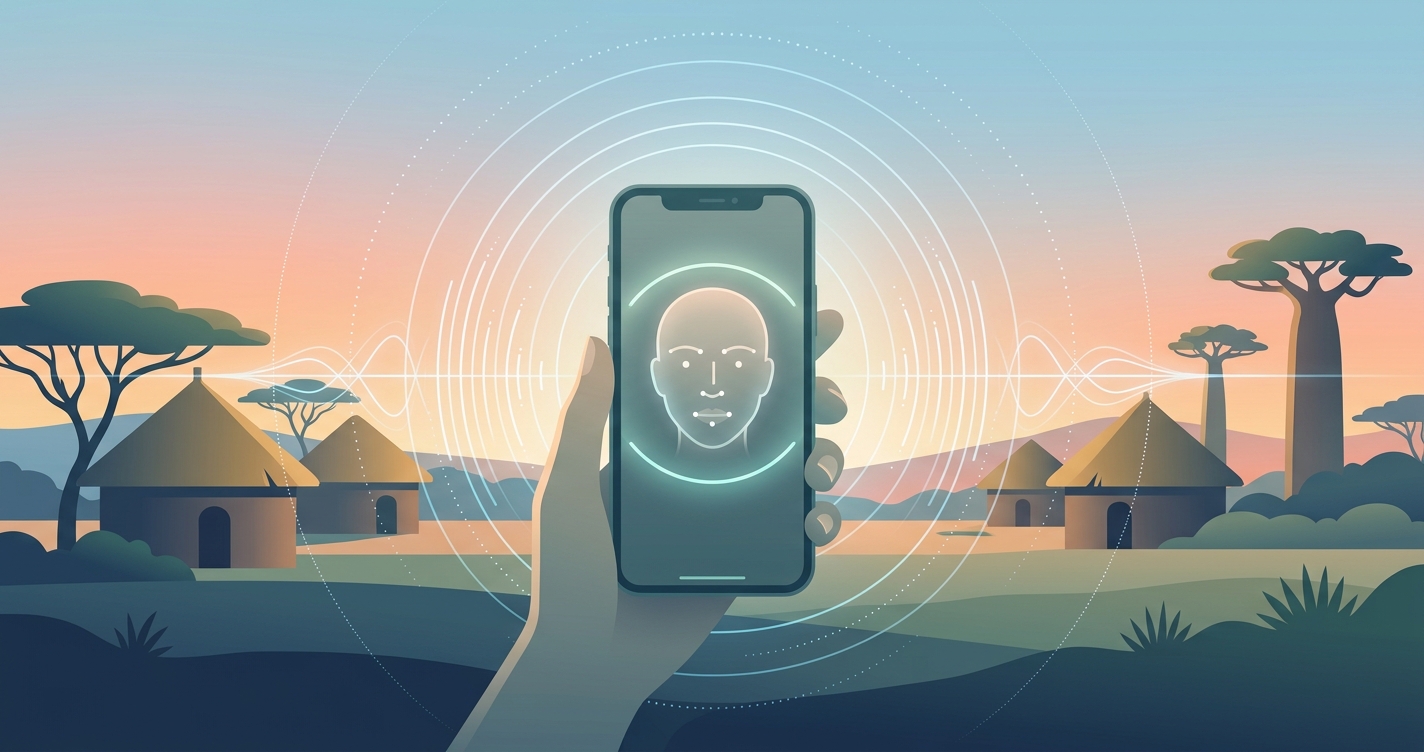
An analysis of how rPPG technology enables offline health screening without internet connectivity, examining the on-device processing architecture that makes contactless vital sign capture viable in disconnected rural environments across Sub-Saharan Africa.

An analysis of mobile health technology in rural Africa, examining how smartphone-based screening bridges the gap between clinical infrastructure and population health needs across Sub-Saharan African communities.

A guide to maternal health screening in low-resource settings, examining how contactless smartphone-based technology enables vital sign monitoring for pregnant women in Sub-Saharan Africa through community health worker networks.

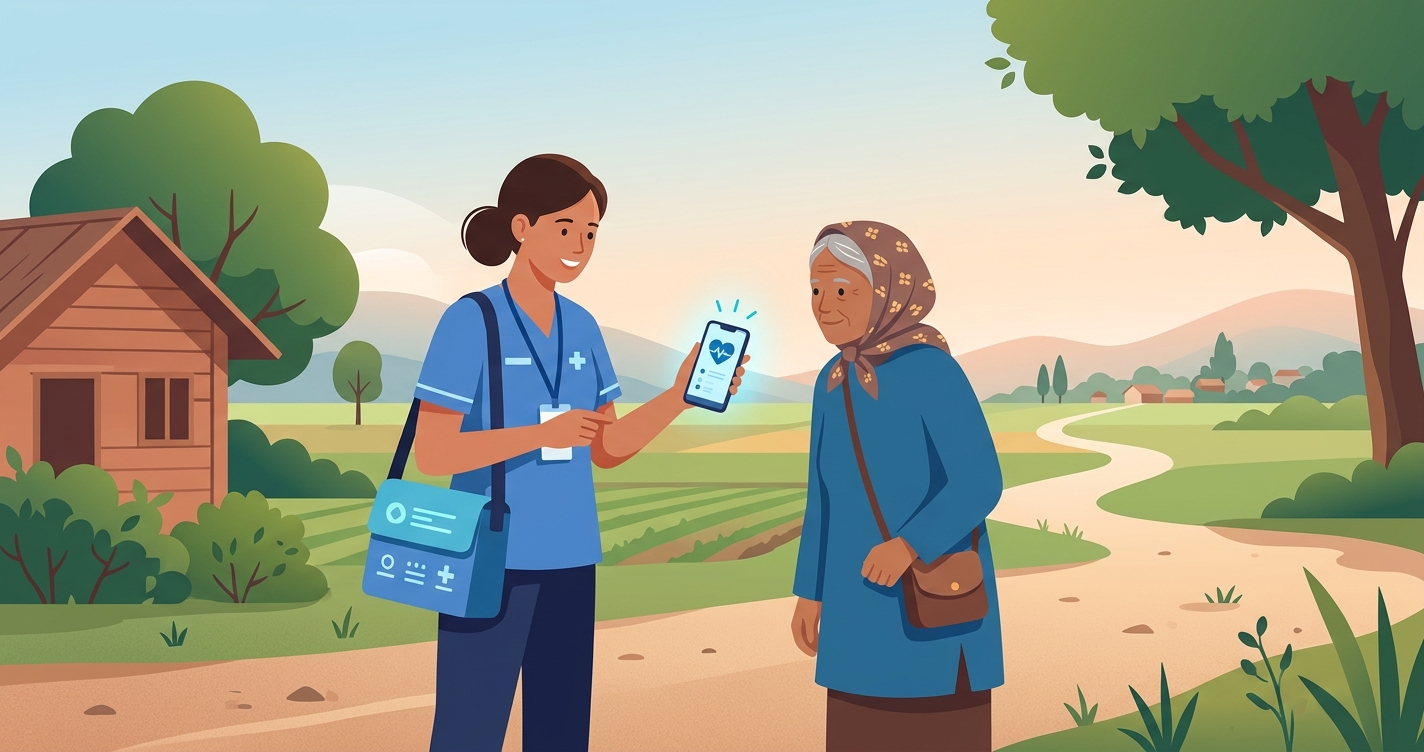
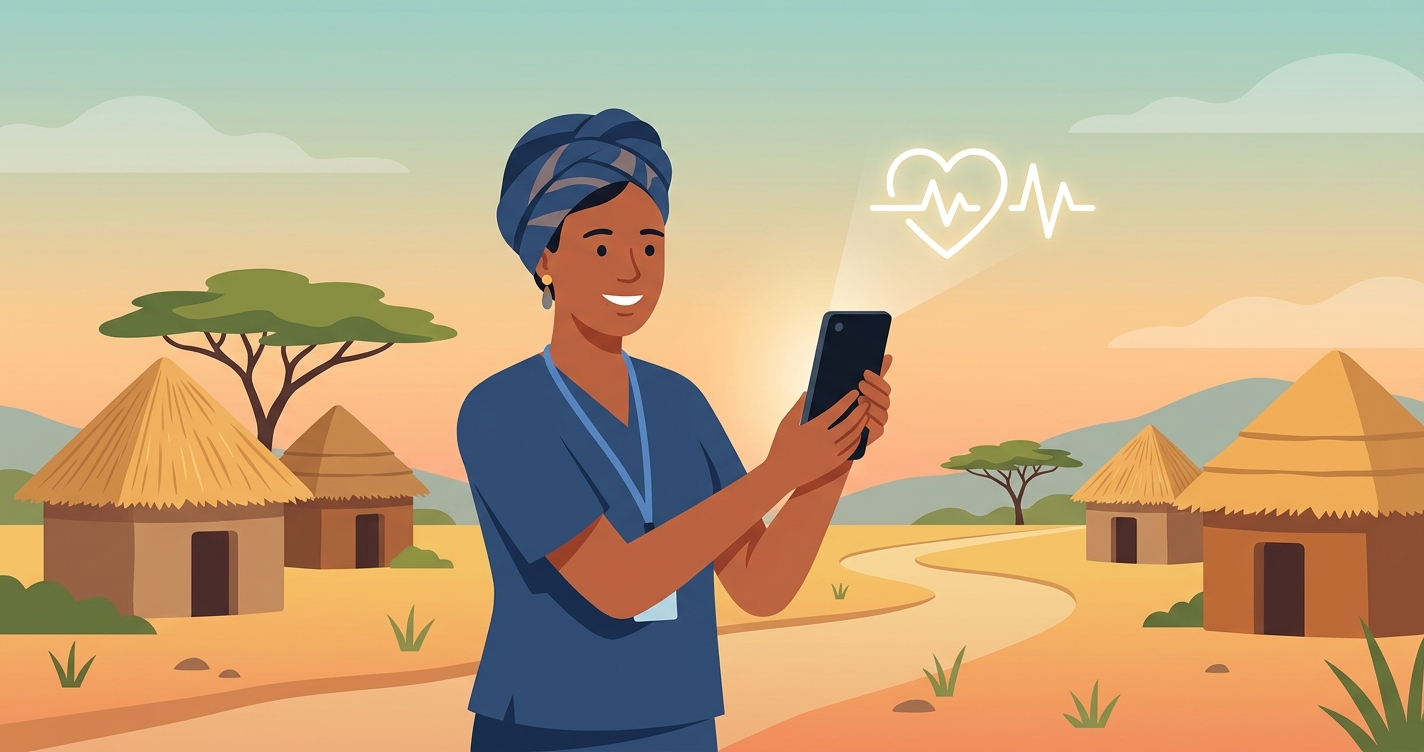
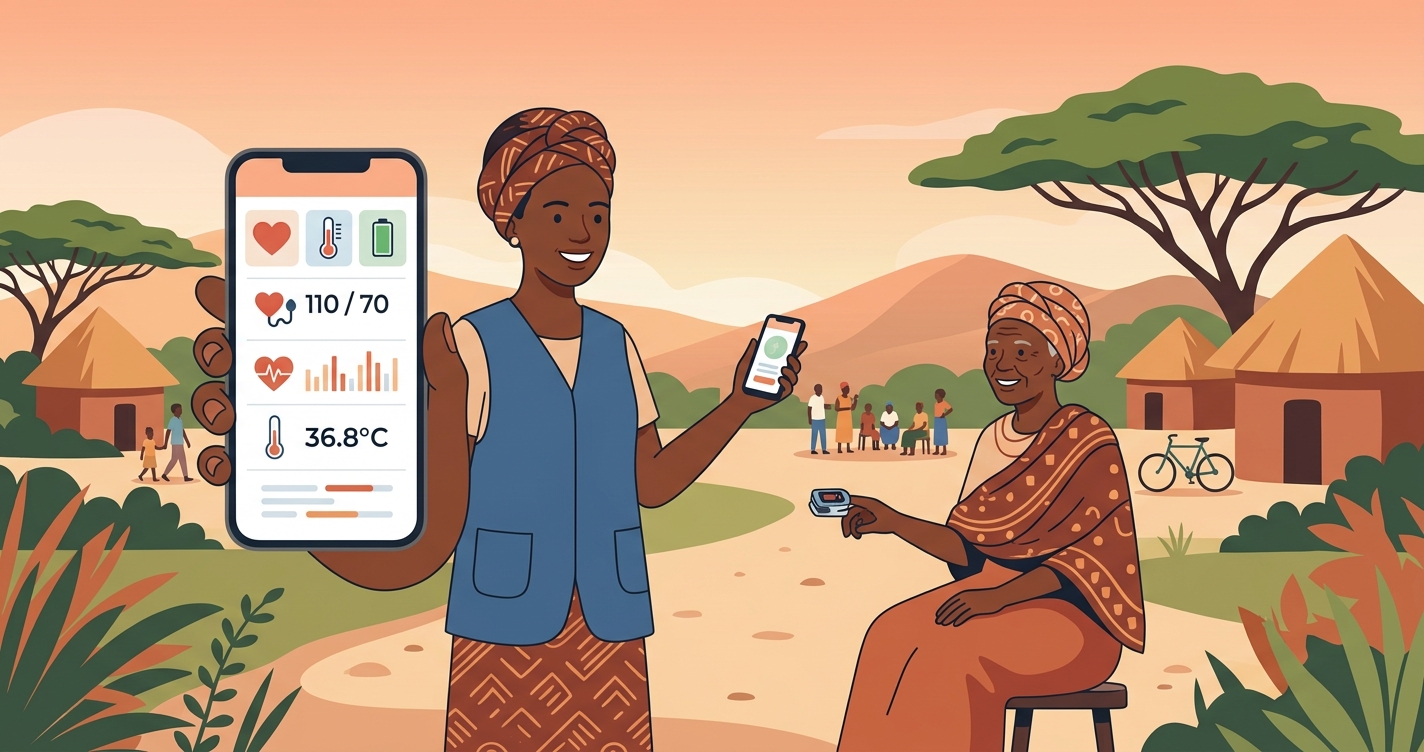
An analysis of how community health workers use contactless screening technology in field settings across Sub-Saharan Africa, examining workflow integration, training models, data capture, and implications for NGO-led health programs.

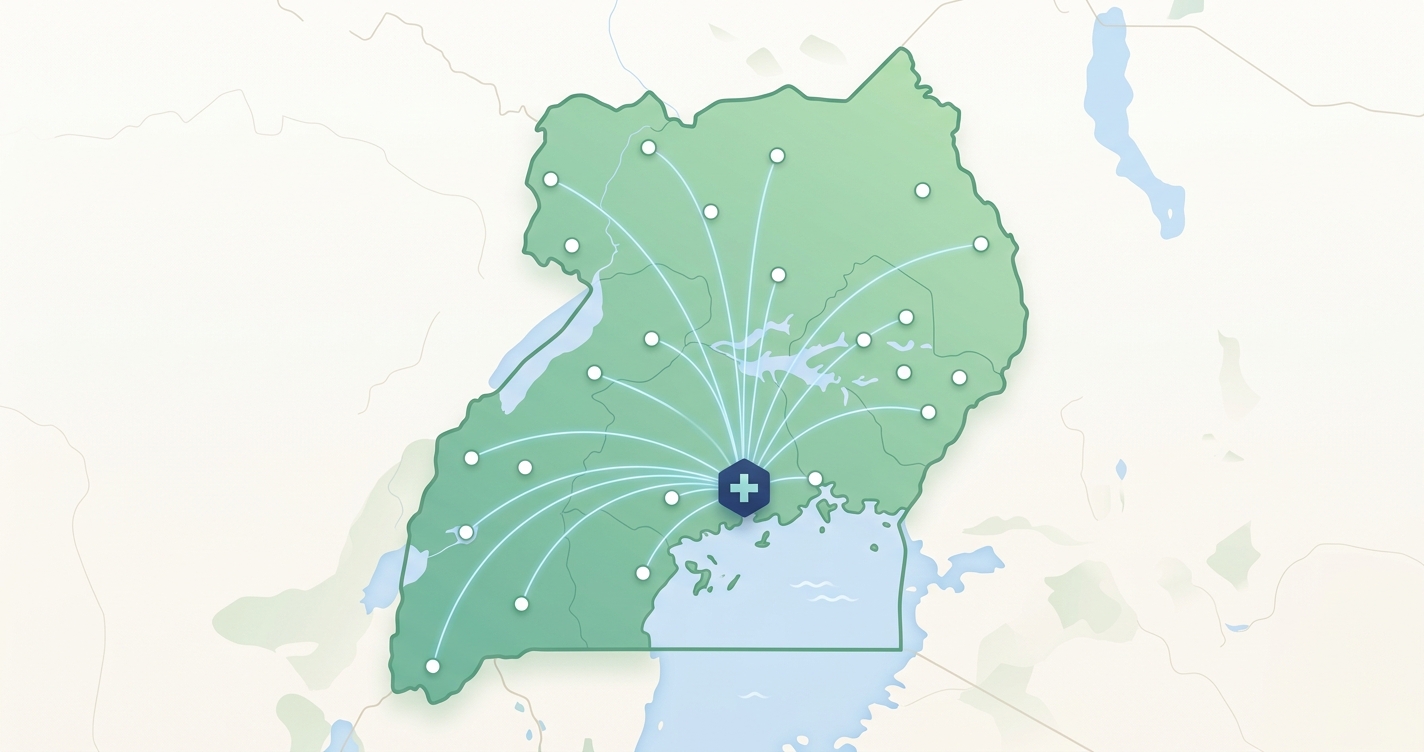
A field report examining how Circadify deploys smartphone-based health screening in Uganda, with analysis of contactless vital sign capture, workforce integration, and implications for community health programs across Sub-Saharan Africa.